Fruit Trees Suitable for Home Gardens
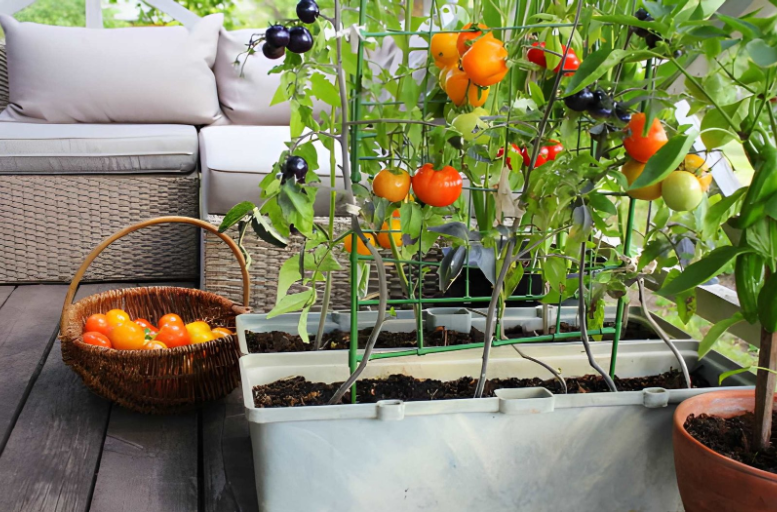
Growing fruit trees at home is one of the most rewarding ways to make a garden more productive, beautiful, and sustainable. Whether you have a large backyard, a small courtyard, or even a sunny balcony, there are many fruit trees suitable for home gardens. With the right choice of tree, good soil preparation, and regular care, you can enjoy fresh, healthy fruit just steps Ga6789 com from your kitchen.
This guide explores some of the best fruit trees for home gardens, including easy-care options, compact varieties, and tips for successful planting.
Why Grow Fruit Trees at Home?
Fruit trees offer more than just delicious harvests. They provide shade, attract pollinators, improve garden biodiversity, and add seasonal interest with flowers, fruit, and attractive foliage. Homegrown fruit is often fresher and tastier than store-bought produce, and growing your own can reduce grocery costs over time.
Another advantage is control over how your fruit is grown. You can limit chemical sprays, choose organic gardening methods, and harvest fruit at peak ripeness. For families, fruit trees can also be a great way to teach children about nature, food production, and responsible gardening.
Choosing the Best Fruit Trees for Your Garden
Before planting, consider your local climate, available space, soil type, and sunlight. Most fruit trees need at least six hours of direct sunlight per day. Some trees require a cold winter period, known as chill hours, while others thrive in warm or tropical climates.
It is also important to think about tree size. Standard fruit trees can become quite large, but dwarf and semi-dwarf varieties are ideal for small home gardens. Some fruit trees are self-pollinating, while others need a second compatible tree nearby to produce fruit.
Apple Trees
Apple trees are among the most popular fruit trees for home gardens. They grow well in many temperate regions and are available in a wide range of varieties, from sweet dessert apples to tart cooking apples.
For smaller spaces, dwarf apple trees are a smart choice. They are easier to prune, spray, and harvest. Many apple varieties need a second apple tree nearby for pollination, so check the pollination requirements before buying. Popular home garden varieties include ‘Gala,’ ‘Fuji,’ ‘Granny Smith,’ and ‘Honeycrisp.’
Apple trees prefer well-drained soil and full sun. Regular pruning helps maintain shape, encourages airflow, and improves fruit production.
Citrus Trees
Citrus trees are excellent for warm climates and can also be grown in pots in cooler regions if protected from frost. Lemon, lime, orange, and mandarin trees are popular choices for home gardens because they are attractive, fragrant, and productive.
Lemon trees, especially varieties such as ‘Meyer’ lemon, are particularly suitable for small gardens and containers. Citrus trees need full sun, good drainage, and regular feeding with a citrus fertilizer. They do not like waterlogged soil, so avoid overwatering.
In addition to fresh fruit, citrus trees offer glossy evergreen leaves and sweet-smelling blossoms, making them both practical and ornamental.
Peach Trees
Peach trees are a great option for gardeners who want fast-growing fruit trees. With proper care, many peach trees begin producing fruit within a few years. They are best suited to areas with warm summers and enough winter chill.
Dwarf peach trees work well in compact home gardens. Varieties such as ‘Bonanza’ and ‘Elberta’ are often grown by home gardeners. Peach trees are usually self-pollinating, meaning you may only need one tree to get fruit.
These trees need full sun, fertile soil, and annual pruning. Because peaches can be prone to pests and diseases, good airflow and garden hygiene are important.
Pear Trees
Pear trees are reliable, long-lived fruit trees suitable for many home gardens. They produce beautiful spring blossoms and sweet, juicy fruit in late summer or autumn. European pears, such as ‘Bartlett’ and ‘D’Anjou,’ are common choices, while Asian pears are known for their crisp texture.
Many pear trees require cross-pollination, so planting two compatible varieties can improve fruit set. Pear trees generally need less maintenance than peaches and are often more disease-resistant than apples.
They prefer deep, well-drained soil and a sunny position. With proper pruning, pear trees can be trained into attractive shapes, including espalier against a wall or fence.
Plum Trees
Plum trees are another excellent choice for home fruit production. They are relatively easy to grow and can produce heavy crops in the right conditions. Plums are delicious eaten fresh, dried, or used in jams, desserts, and sauces.
There are European, Japanese, and native plum varieties, each suited to different climates. Some plum trees are self-fertile, while others need a pollination partner. For small gardens, dwarf plum trees are available and can be very productive.
Plum trees enjoy full sun and well-drained soil. Thinning the fruit when young can help prevent branch breakage and improve fruit size.
Fig Trees
Fig trees are ideal for gardeners looking for a low-maintenance fruit tree. They thrive in warm, sunny locations and tolerate dry conditions once established. Figs can be grown in the ground or in large containers, making them suitable for patios and small gardens.
Popular varieties include ‘Brown Turkey,’ ‘Black Mission,’ and ‘Celeste.’ Most fig trees are self-pollinating, so one tree is usually enough. They need good drainage and protection from severe frost in colder climates.
Figs also add a Mediterranean feel to the garden with their large, attractive leaves and sweet fruit.
Cherry Trees
Cherry trees are beautiful and productive, offering spring blossoms followed by delicious fruit. Sweet cherries are best for fresh eating, while sour cherries are excellent for pies, preserves, and cooking.
Many sweet cherry varieties require cross-pollination, although some self-fertile types are available. Sour cherries are often easier to grow and more tolerant of colder climates. Dwarf cherry trees are a practical option for home gardens with limited space.
Cherry trees need full sun, well-drained soil, and protection from birds, which are often attracted to ripening fruit.
Fruit Trees for Small Gardens and Containers
If space is limited, choose dwarf fruit trees, columnar varieties, or trees grafted onto dwarf rootstock. Many fruit trees suitable for home gardens can grow successfully in large pots, including citrus, figs, dwarf apples, peaches, and cherries.
Container-grown trees need high-quality potting mix, regular watering, and consistent feeding. Make sure pots have drainage holes and are large enough to support root growth. Position containers in a sunny, sheltered location.
Espalier training is another excellent space-saving method. Apples, pears, and figs can be trained flat against walls or fences, creating a productive and attractive garden feature.
Basic Care Tips for Home Fruit Trees
To keep fruit trees healthy, plant them in the right location and water regularly during establishment. Mulching around the base helps conserve moisture and suppress weeds, but keep mulch away from the trunk to prevent rot.
Pruning is important for controlling size, removing dead or diseased wood, and encouraging fruit production. Feeding with a balanced fertilizer or compost can support healthy growth. Watch for pests and diseases, and use organic controls when possible.
Final Thoughts
Choosing fruit trees suitable for home gardens depends on your climate, space, and personal taste. Apples, citrus, peaches, pears, plums, figs, and cherries are all excellent options for home growers. By selecting Tải app Ga6789 the right variety and providing proper care, you can enjoy fresh fruit, beautiful blossoms, and a more productive garden for many years.